







Search Results for: fully ripe cherry harvest
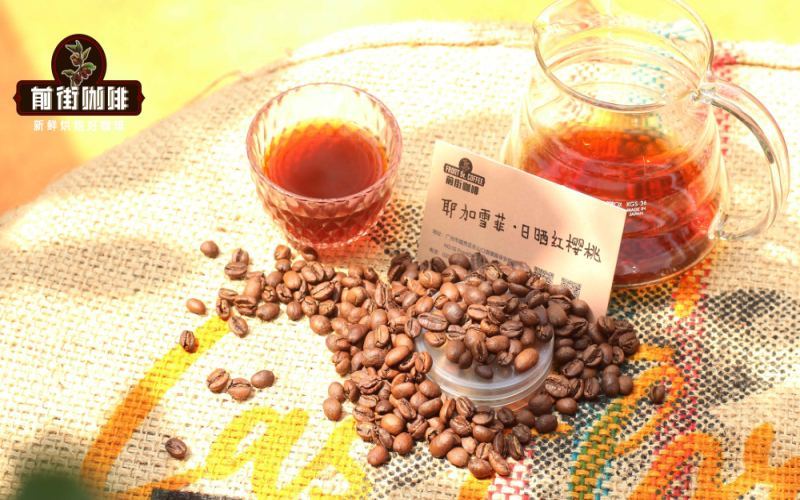
How Does the Red Cherry Project Improve Ethiopian Coffee Quality? A Flavor Analysis of Natural Yirgacheffe Red Cherry
The flavor of coffee depends not only on the altitude, soil, and climate of its origin—the harvesting method also has a key impact on quality. Although machine picking is highly efficient, it struggles to distinguish the ripeness of the fruit; manual harvesting, by contrast, allows selection by ripeness, and is especially more reasonable in high-altitude mountainous areas. In 2007, the Dutch green bean trader Trabocca launched the "Red Cherry Project," requiring 100% fully ripe red cherries to be picked entirely by hand, with strict quality control through two rounds of cupping, and using high prices to incentivize coffee farmers to produce with care, breaking the previous vicious cycle of "valuing weight over quality." This article will walk you through how the Red Cherry Project operates and recommend a Front Street Coffee sun-dried Red Cherry coffee bean—a Yirgacheffe G1 grade bean, processed by the traditional sun-dried method, with full fruit aromas and a black tea finish, suitable for pour-over, cold brew, espresso SOE, and many other extraction methods. [more…]
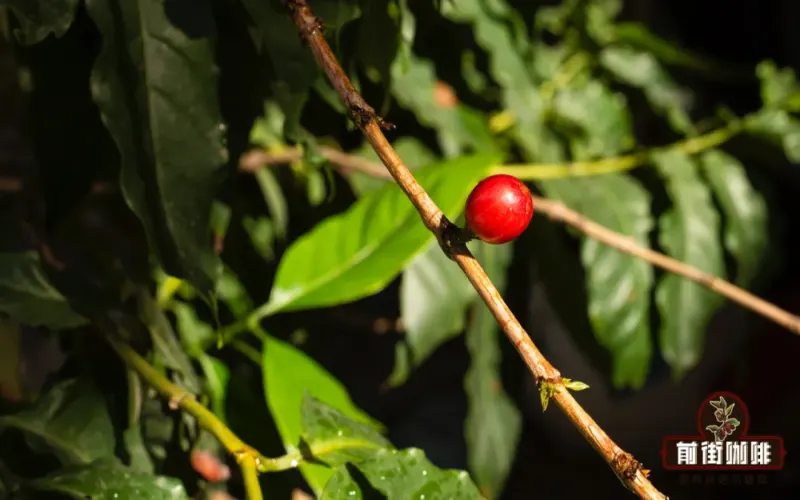
What Is Whole-Ripe-Cherry Picking? How the Red Cherry Project Drives Quality Improvement in Specialty Coffee
In coffee bean promotions, we often see phrases like "all-red cherry sun-dried," but all-red cherry is not actually the name of a processing method; rather, it refers to the practice of picking coffee cherries when they are fully red. So why is all-red cherry picking so important? What story of industrial transformation lies behind it? This article will analyze, from the perspective of Front Street, the impact of all-red cherry picking on coffee quality, review the evolution of harvesting methods in the early days of specialty coffee, and introduce the "Red Cherry Project" launched in 2007 by the Dutch green bean trader Trabocca, examining how it broke the vicious cycle between coffee farmers and green bean traders by raising the purchase price for high-quality coffee, ultimately achieving a win-win-win for farmers, merchants, and consumers. [more…]
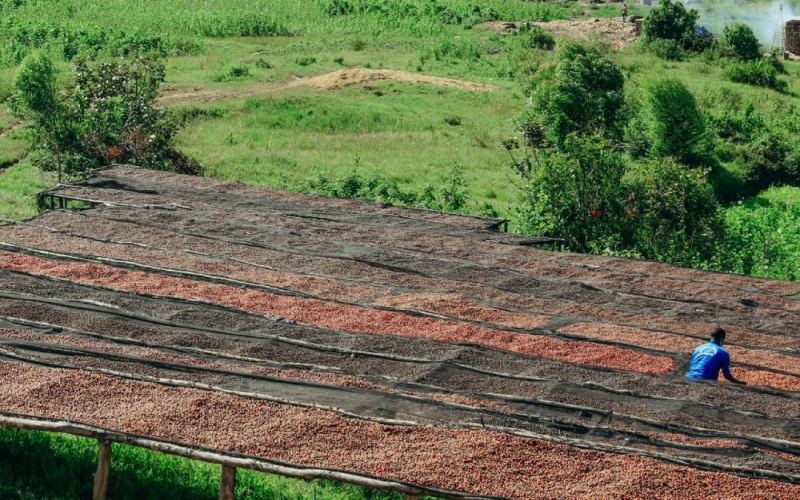
How the Red Cherry Project Rewrote the Quality Logic and Flavor Landscape of Ethiopian Yirgacheffe
Ethiopia is the birthplace of Arabica coffee, and Yirgacheffe is one of the most proud producing regions of this country. The specialty coffee produced here often does not cling to variety classification, but instead uses origin information and processing method as the core criteria for identification. Front Street Konga Red Cherry is a classic single-origin coffee from Yirgacheffe, presenting a flavor interwoven with berries, honey, black tea, and fermented notes through a refined natural process. This article begins with the harvesting method of coffee cherries, traces back to the Red Cherry project initiated in 2007 by the Dutch green bean merchant Trabocca, and analyzes how it broke the old cycle of "valuing weight over quality," promoted Ethiopian coffee toward specialization through fully manual picking of all-red cherries, small-batch production, and high cupping thresholds, and profoundly influenced the quality expression of producing regions such as Yirgacheffe. [more…]
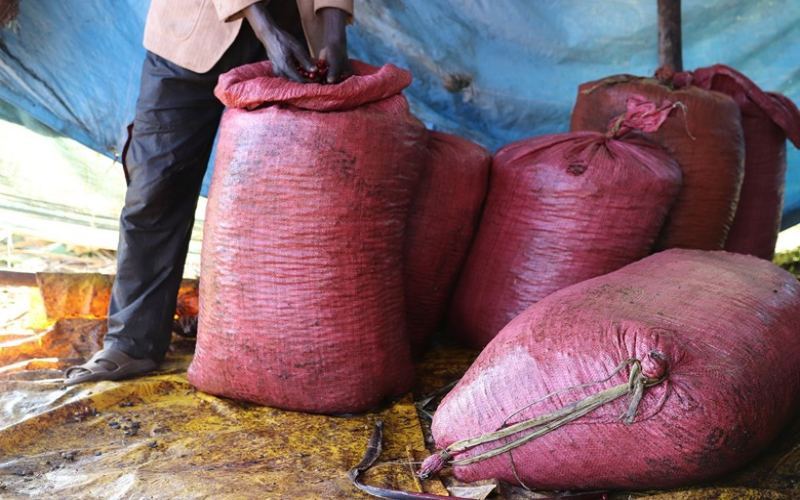
How Coffee Cherries Are Harvested: Hand-Picking, Floatation, and Defective Beans
The refinement of specialty coffee often begins the moment it is harvested. In the same coffee field, the difference in final flavor between careful harvesting and careless harvesting may be even greater than that of roasting. How are coffee cherries picked one by one? Why must defective beans be removed? This article takes you into the scene of harvesting and grading. Handmade [more…]
Yirgacheffe Red Cherry Natural Coffee: Terroir, the Red Cherry Project, and Flavor Analysis
Yirgacheffe is one of the highest-altitude specialty coffee regions in Ethiopia, and its unique terroir cultivates a coffee flavor woven with floral and fruity notes. The Red Cherry Project was launched in 2007 by the Dutch green bean trader Trabocca, aiming to improve the quality of smallholder farms by hand-picking 100% ripe red cherries. Front Street Coffee's Natural Red Cherry performs in a balanced way in terms of ripeness and cleanliness, using a light-medium roast to highlight floral notes, fruity acidity, and fermented sweetness. This article will sort out the background of the Yirgacheffe production area, the working method of the Red Cherry Project, and introduce the specific flavor characteristics of Front Street Natural Red Cherry. [more…]
What Is the Red Cherry Project? A Complete Analysis of Front Street Coffee's Natural Red Cherry Brewing Method and Flavor Characteristics
In the specialty coffee world, the ripeness of coffee cherries directly determines the quality expressed in the final cup. Front Street Coffee's Front Street Yirgacheffe Natural Red Cherry is a select lot from Ethiopia's "Red Cherry Project." The project was initiated by Trabocca, the largest green coffee trader in the Netherlands. It requires partner farms to harvest only 100% ripe red cherries, which are then hand-sorted by local women with sharp eyes and a willingness to work hard. Only lots scoring 88 or above in cupping are eligible for selection. This article will guide you through the origins and operation of the Red Cherry Project and share Front Street Coffee's brewing parameters and flavor performance using two devices—the strawberry dripper and the origami dripper—to help coffee lovers recreate this bean's floral aroma and fruity sweetness at home. [more…]
The Red Cherry Project and the Flavor Story of Yirgacheffe Natural Beans, Plus Pour-Over Parameter Analysis
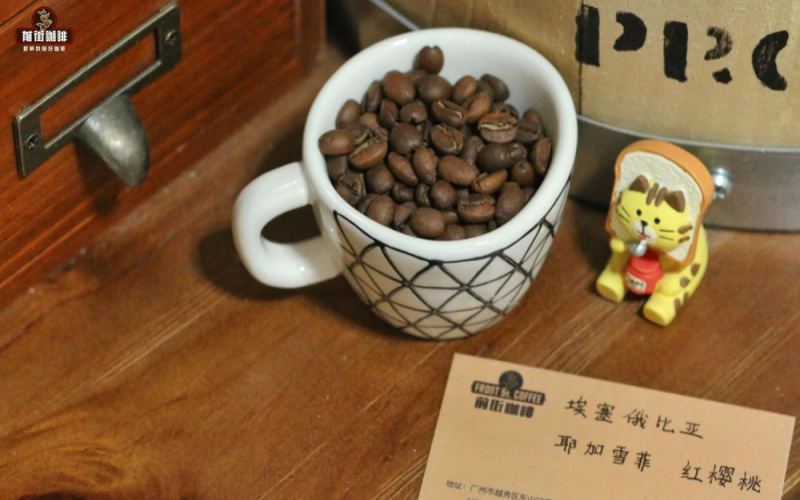
In the specialty coffee world, "Red Cherry" has become synonymous with high-quality Ethiopian beans. The name comes from the appearance of ripe coffee cherries, which closely resemble cherries, and behind it is Operation Cherrie Red, initiated by the Dutch company Trabocca, aimed at encouraging smallholder farmers to harvest only fully ripe cherries to improve flavor. This article will guide you through the origins, operating mechanism, and covered producing regions of the Red Cherry project, and focus on the flavor performance of Front Street Yirgacheffe Natural Red Cherry coffee beans—from light roast notes of peach, cocoa, honey, and lemon, to the fermented fruit aromas and citrus sweetness of medium-roast SOE, along with recommended pour-over extraction parameters and brewing techniques. [Image 1] [more…]
Coffee Cherry Harvesting Methods and Green Bean Processing Techniques: An In-Depth Analysis of the Effects from Manual Selective Picking to Washed Fermentation on Final Flavor
The flavors in the final cup of coffee are foreshadowed long before the fruit is even picked. The picking method determines the ripeness and uniformity of the fruit, while the subsequent green coffee processing further shapes the trajectory of acidity, sweetness, and cleanliness. This article will systematically sort out the applicable scenarios and pros and cons of mechanical picking versus manual picking, and take a deeper look at how the two mainstream processing paths—the dry method (non-washed) and the washed method (wet processing)—actually affect coffee quality. Whether you are a beginner just getting into specialty coffee or a processing-method enthusiast hoping to refine your understanding, you can gain a clear understanding of this key stage from fruit to green coffee. At the end, we also draw on Front Street Coffee's product practices to explain the specific differences in how different processing methods present flavor. [more…]
What Is the Red Cherry Project? Which Ethiopian Regions Are Implementing It? Yirgacheffe Natural Red Cherry Flavor Analysis
The Operation Cherry Red is a coffee quality improvement project initiated in 2007 by the Dutch green bean merchant Trabocca, aimed at breaking the vicious cycle of extensive harvesting by Ethiopian coffee farmers due to low prices by purchasing 100% fully ripe red cherries at prices far above the market. The project currently covers unique-flavor production areas such as Yirgacheffe, Sidamo, Bonga Forest, and Lekanti. A Operation Cherry Red coffee bean acquired by Front Street Coffee comes from the Yirgacheffe production area, using natural processing and light roasting, and after pour-over brewing presents a fresh citric acidity with berry and strawberry flavors, and a refreshing mouthfeel. This article will provide a detailed interpretation of the Operation Cherry Red's operating mechanism, its implementation areas, and its profound impact on Ethiopian coffee quality. [more…]
Panama Duncan Estate Geisha Coffee Beans: Flavor Differences Between Natural and Washed Processing Methods and Analysis of the Estate's Characteristics
Panama Duncan Estate, as a renowned specialty coffee estate under the Kotowa family, is famous for its Geisha variety and meticulous picking techniques. This article provides a detailed analysis of the geography and terroir of Duncan Estate and Don Herrera Estate, the impact of altitude and climate on coffee quality, and the unique features of the top picking method and the reserve picking method; it also compares the flavor differences between the natural and washed processing methods, and includes the BOP award records over the years and complete estate information. Front Street Coffee recommends paying attention to the jasmine floral aroma and tropical fruit complex flavors of its Geisha variety, which is suitable for coffee enthusiasts to gain an in-depth understanding of the ultimate charm of Panamanian specialty coffee. [more…]
Exploring Ethiopia Yirgacheffe: Flavor and Origin Analysis of the Sun-Dried Red Cherry Project Coffee Beans
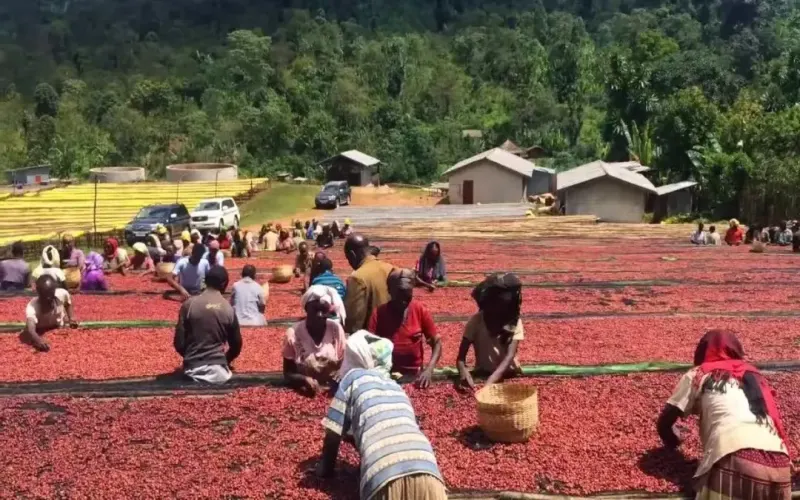
Ethiopia, as the birthplace of coffee, possesses the world's richest coffee gene pool, with an estimated nearly 15,000 coffee varieties. Among them, the Yirgacheffe region is renowned for its unique floral and fruity aromas, while the Red Cherry Project has enhanced coffee quality by purchasing fully ripe red cherries at premium prices. This article will guide you through Ethiopia's coffee cultivation models, the terroir characteristics of Yirgacheffe, and how the Red Cherry Project is driving the development of specialty coffee. Front Street Coffee's sun-dried Yirgacheffe Red Cherry coffee beans, with a light roast and V60 brewing, present citric acidity and berry flavors—definitely worth trying. [more…]
The Path to Refinement for Specialty Coffee Beans: Key Processes from Branch Red Cherry to Aromatic Cup
For a coffee bean to become specialty coffee is by no means easy. From variety, origin, microclimate, to the careful cultivation by the coffee farmer, every step affects the final flavor. But even if plump red cherries are produced, not every single one can advance to become specialty coffee. Picking, judging ripeness, removing defects, and green bean processing—no stage can be missing. This article takes you through the complete journey of this magical fruit, seeing how it goes from branch to cup, and helping you better understand how hard-won that cup of coffee in your hands really is. [more…]

Ethiopia Sidamo Shantawene Natural Coffee Flavor Analysis: Variety 74158 and 96-Hour Anaerobic Processing
The Santa Vini processing station is located in the high-altitude zone of Ethiopia's Sidama region, known for whole-ripe-cherry picking and a 96-hour anaerobic natural process. Its 74158 variety coffee beans present rich layers of citrus, pineapple, guava, and a red wine finish. This Sidama Santa Vini, newly listed by Front Street Coffee, comes from a high-altitude processing station under the DWD company, at an elevation of 2,050 meters, Grade G1. This article will sort through the historical and geographical background of the Sidama region, the origins of the Red Cherry Project, the refined fermentation process of the Santa Vini processing station, and the breeding history of the disease-resistant variety 74158, helping readers fully understand the flavor causes and origin story of this coffee. [more…]
Yirgacheffe Liko Cooperative Natural Coffee Beans: Flavor Charm and Pour-Over Performance Under the Red Cherry Project
In Kochere, within Ethiopia's Yirgacheffe region, there is a naturally processed coffee from the Liko Cooperative that, thanks to a high-altitude growing environment above 1,850 meters and traditional sun-drying, displays delicate acidity and outstanding sweetness. Although officially graded G3, the green beans' actual appearance is close to G1 quality, and the roasted beans are plump and uniform with rich layers of flavor. This lot was selected through Dutch trader Trabocca's Red Cherry Project and once scored 93 points on Coffee Review. This article will walk you through the Liko Cooperative's background, how the Red Cherry Project operates, and this lot's green bean data and cupping flavors. Front Street Coffee will also share pour-over recommendations to help you fully bring out its alluring blend of jackfruit, mango, ripe peach, and berry notes. [more…]
Ethiopian Natural Sidamo Coffee Bean Flavor Analysis: The Quality Leap from Traditional Natural to G1 Specialty
Sidamo is a famous specialty coffee region in Ethiopia, and its natural processing method has evolved from rough to refined. Traditional natural processing, due to direct sun-drying on the ground and a lack of sorting, produced unstable quality and was prone to off-flavors and defective beans. The improved natural method greatly enhances the coffee's cleanliness and sweetness through steps such as picking only fully red cherries, drying on raised beds, and manually removing defects. This article provides a detailed analysis of the flavor characteristics of natural Sidamo and explains how final sorting achieves the highest grade, G1. This natural Sidamo recommended by Front Street Coffee is a prime example of this refined processing and is well worth savoring slowly by coffee lovers. [more…]
Costa Rica Canet Estate Mozart Coffee: Flavor Analysis of Yellow Catuai and Red Catuai Varieties with Red Honey Processing
Located in the high-altitude Tarrazu region of Costa Rica, Canet Estate primarily cultivates passion fruit, producing limited quantities of coffee with exceptional quality. The Yellow Catuai variety grown in specific areas of the estate, after red honey processing, was named Mozart by Front Street Coffee, presenting rich flavors of strawberry, cherry, blackberry, and dried banana. This article will introduce the origin information of Mozart coffee, the variety background—the origins of Yellow Catuai and Red Catuai, as well as the specific process of red honey processing, and analyze its dry aroma, wet aroma, and sensory performance when sipping, helping coffee enthusiasts fully understand this specialty coffee with floral, fruity, and wine-like notes. [more…]
Front Street Coffee Explains Ethiopia Sidamo Santa Vini 74158: A Flavor Analysis of Fully Ripe Cherry 96-Hour Anaerobic Natural
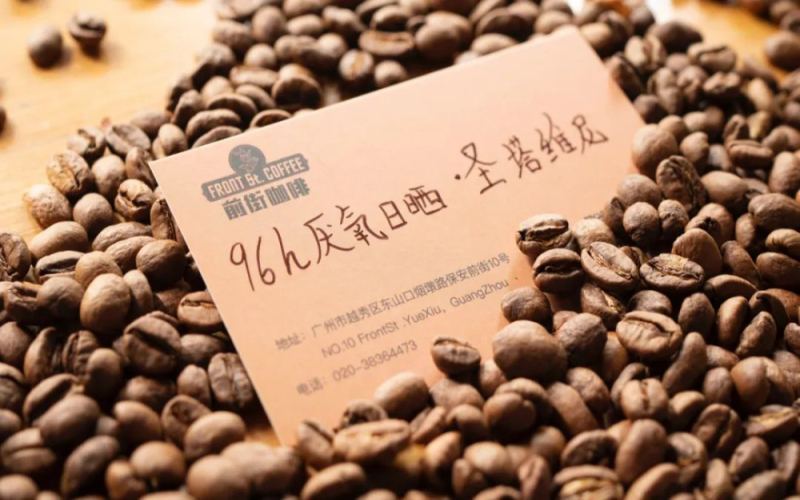
In the landscape of Ethiopian specialty coffee, the Sidamo region has always held a unique position. The 74158 variety produced by the Santa Vini processing station, with whole red cherry harvesting combined with 96-hour anaerobic natural processing, delivers a highly distinctive flavor profile. This bean not only reaches G1 grade, but also matures slowly at a high altitude of 2,050 meters, giving it rich and clearly layered flavors. Front Street Coffee's Sidamo Santa Vini this time presents bright fruit notes of citrus, pineapple, and guava, accompanied by a long red wine finish. This article will analyze the unique qualities of this coffee bean one by one, from origin information and processing methods to flavor characteristics, providing coffee lovers with a complete tasting reference. [more…]
What Is the Difference Between Natural and Honey Processed Coffee Beans? From Processing Flow to Sweetness Performance, Explained Clearly at Once
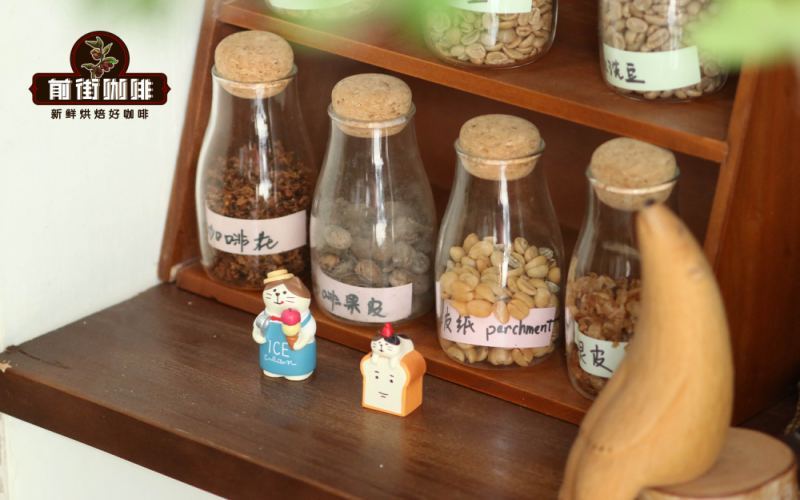
Washed, natural, and honey processing are the three traditional coffee processing methods. Among them, natural and honey processing both carry sweetness and fermented notes, often making them hard to distinguish. From the perspective of Front Street Coffee, this article first introduces the structure of the coffee berry and the key points of screening before processing, then breaks down the complete processes of natural processing and honey processing respectively, including the drying and depulping steps of natural processing, the pectin retention ratio of honey processing, and the differences between yellow honey, red honey, black honey, and raisin honey processing. The article also compiles the roasting recommendations, cupping reports, and brewing parameters for two representative beans — Front Street Yirgacheffe Natural Red Cherry and the Front Street Musician Series Bach — helping coffee enthusiasts understand the source of flavor from the perspective of processing methods. [more…]
A Comprehensive Analysis of the 2026 Harvest Ethiopian Sidamo Hambela Flower Queen 11 Natural Sun-Dried Coffee Beans
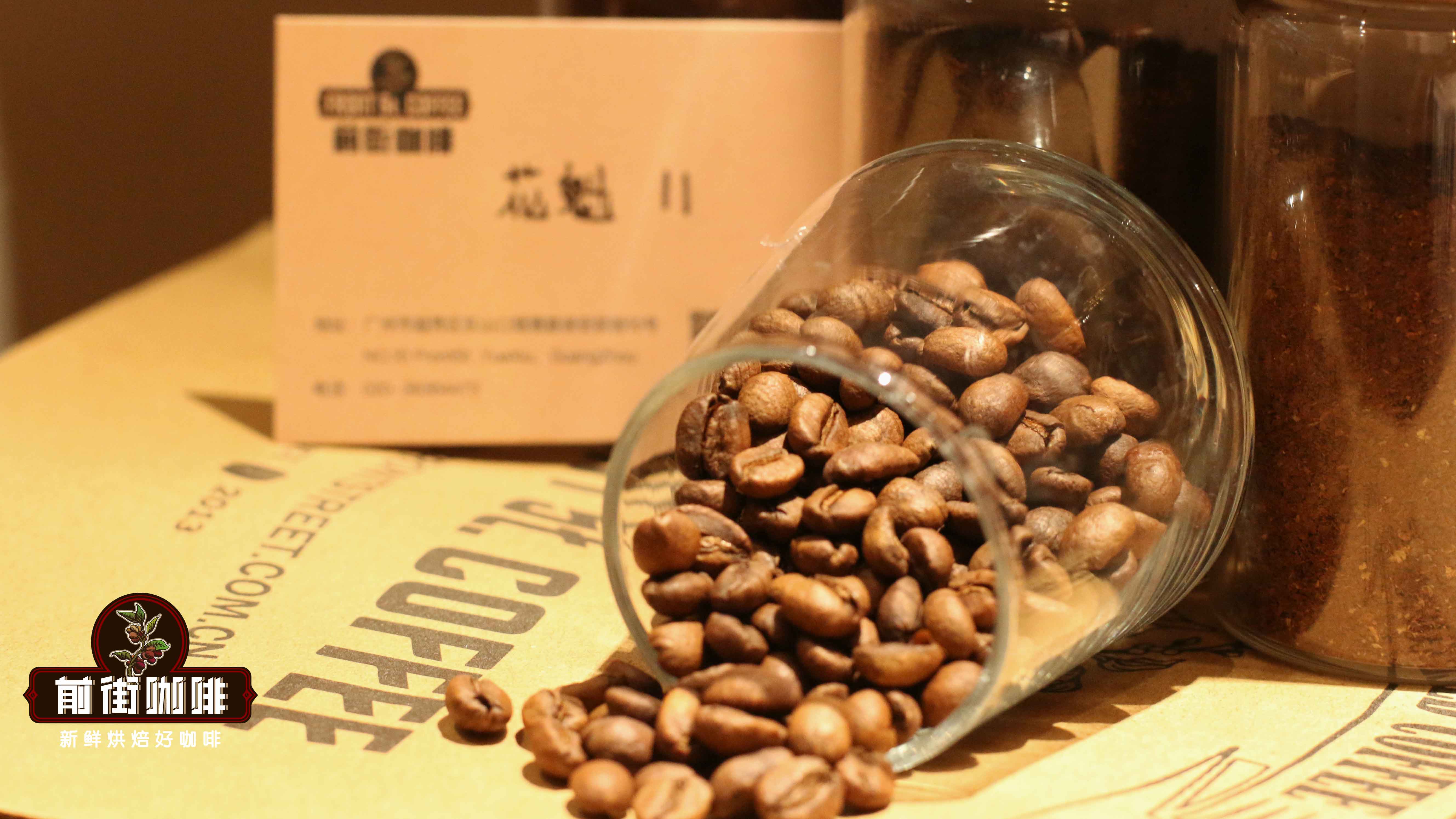
In the 2026 new harvest season, Front Street Coffee brings you the Huakui 11 sun-dried coffee beans from the core production area of Hambela in Sidamo, Ethiopia. This micro-lot comes from the Goro baessa spring water treatment station at an altitude of 2,280 meters, using only fully red cherries, which are sun-dried only when the sugar content is above 21, and undergo 21 days of low-temperature fermentation, presenting rich floral aromas, red wine, and tropical fruits, with high sweetness and a bright, juicy mouthfeel. This article provides a detailed introduction to the origin of the name Huakui, the processing technique, green bean characteristics, and pour-over parameters, giving you a comprehensive understanding of this champion-level sun-dried coffee. [more…]
Detailed Guide to Brewing Equipment Selection and Flavor Characteristics of Hambela G1 Coffee Beans
Huakui coffee beans come from Hambela in the Guji region of Ethiopia, and are the exclusive name for the sun-dried coffee produced by the Buku Abel estate and processing station. This bean won the championship in the 2016/2017 Ethiopian coffee competition and second place in the African green bean competition, and is known for its rich floral and fruity aroma and fermented berry sweetness. This article will comprehensively interpret the flavor code of Huakui coffee beans from the dimensions of producing region background, processing method, green bean characteristics, roasting curve, and brewing analysis, and recommend the most suitable brewing equipment. It will also introduce the Huakui coffee beans roasted by Front Street Coffee, providing coffee lovers with a daily drinking option at high cost-effectiveness. [more…]